How to organise a conference: plan, tech, streaming and checklist
A conference is the format most demanding of detail: speakers, screens, streaming, registration and timing must run like clockwork. Here is how to organise a conference without burning out.
About this article
Conferences are organised to share knowledge, show a company’s expertise, gather partners or clients or launch a new product. But behind every successful conference are months of preparation and dozens of decisions guests never notice — which is exactly why everything runs smoothly. This article covers business event formats, a preparation plan, choosing a venue, working with speakers, tech and streaming, coffee breaks, safety, budget and a checklist.
Business event formats
A conference — a series of talks and discussions on one topic for a professional audience.
A forum — a large event with several parallel tracks, an exhibition and networking.
A seminar or workshop — a practical event where participants work hands-on.
A panel discussion — several experts discuss a question with a moderator.
A hybrid event — some guests in the hall, some watching the stream online.
An internal conference — a strategy session or the year’s results for the team.
Where to start
01Goal
what participants should take away
02Audience
who comes and what they expect
03Format
offline, online or hybrid
04Date
no clashes with other industry events
Preparation plan
3–4 months ahead: goal, audience, format, budget, date, venue.
2–3 months ahead: programme, inviting speakers, a moderator, concept and design.
1–2 months ahead: registration opens, communication, tech and catering suppliers.
A week ahead: a technical run-through, the final schedule, briefing the team.
After the event: materials and recording for participants, a survey, a report.
How to choose a venue
For a conference the venue is more than a hall. Separate spaces for registration, coffee breaks, networking and speakers matter, as do tech and stable internet.
Capacity of the main hall in the right layout: theatre, classroom or cabaret.
Rooms for parallel sessions if the programme has several tracks.
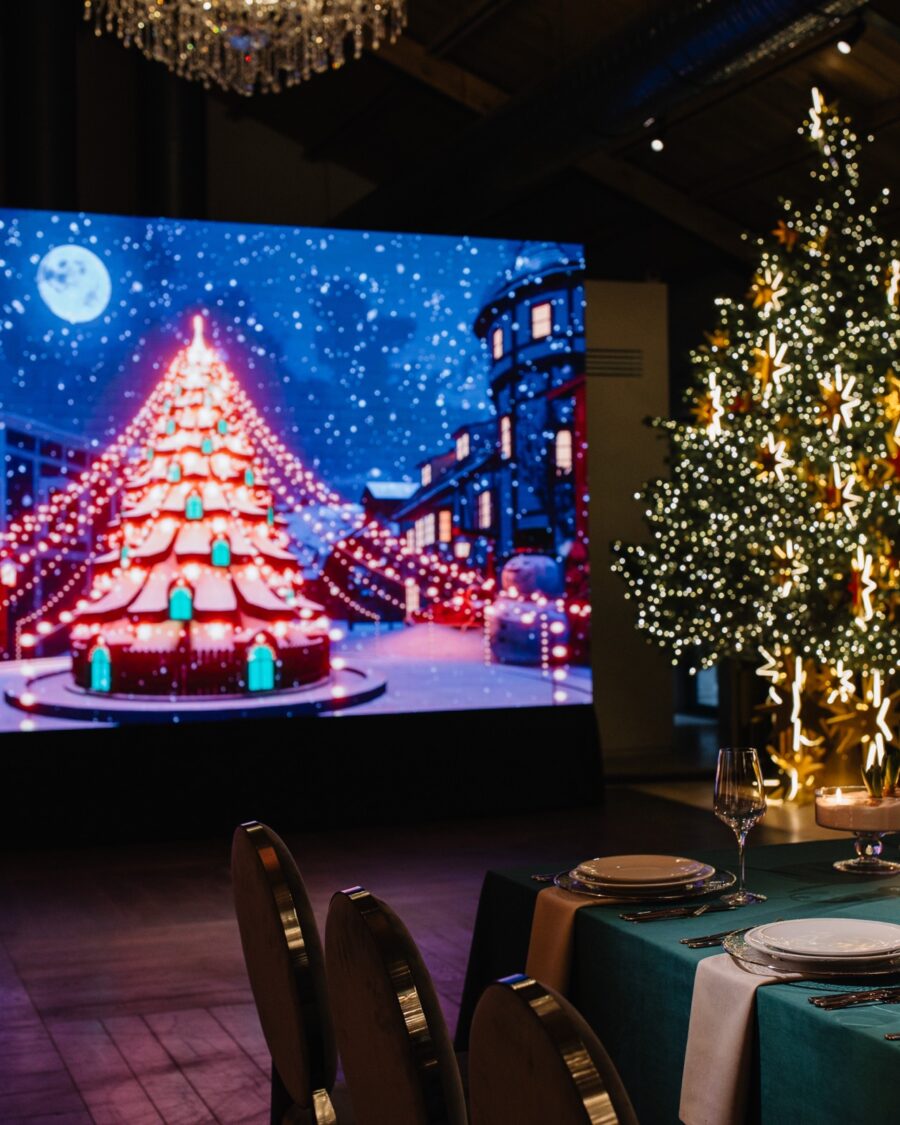
Screens, sound, lighting, a stage and connections for streaming.
Backup power and a shelter in the building or nearby.
Easy access, parking and wayfinding for guests.
A coffee-break area next to the hall so no time is lost moving around.
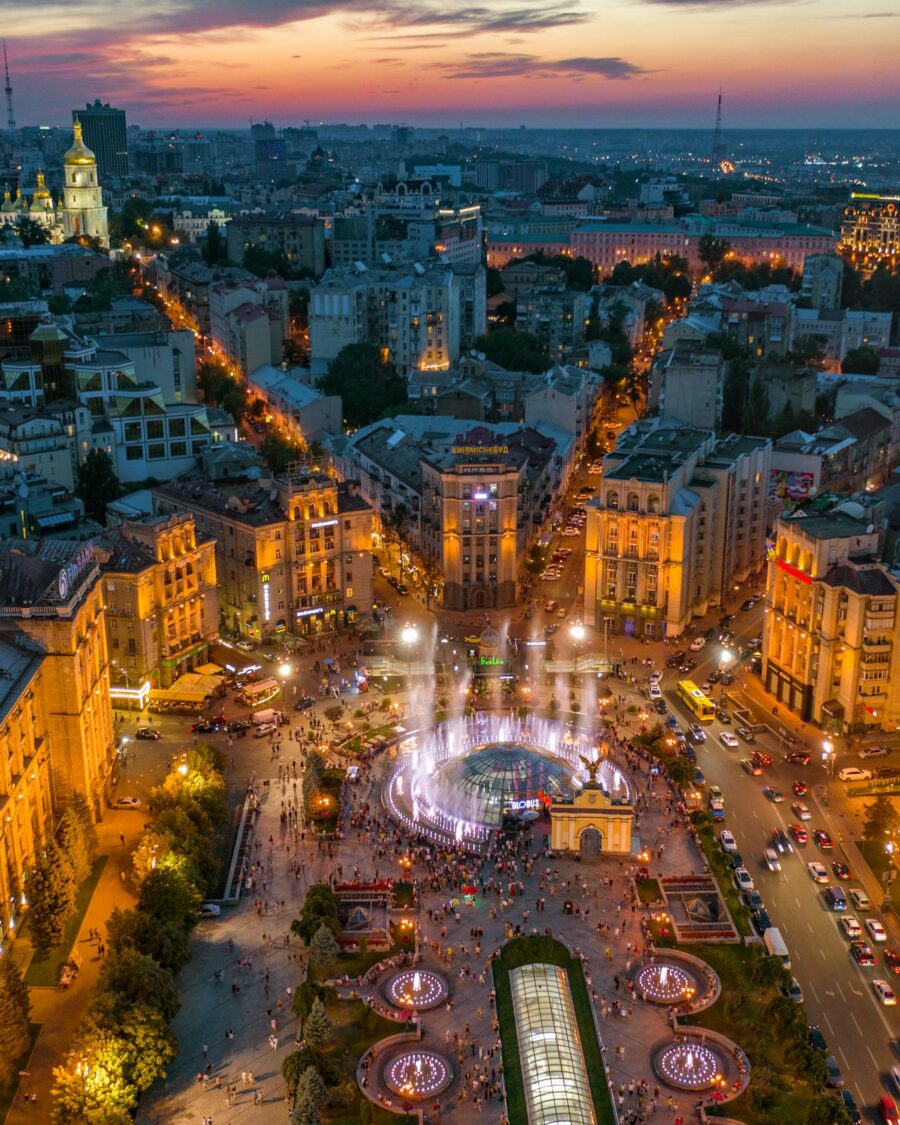
A conference can take place in a business centre, a hotel, an event hall or a cultural venue. More about venue formats in our article on venues in Kyiv, and about business events with safety in mind in our article on events in Kharkiv.
Programme and speakers
A strong programme is a balance: two or three keynotes, several practical talks, one discussion and enough breaks for conversation. Talks of 20–30 minutes hold attention better than hour-long ones, and a moderator ties the programme into one story.
We collect presentations in advance and check how they look on screen.
We run a technical rehearsal with speakers: microphone, clicker, video, timer.
We plan buffer time between blocks so a delay doesn’t break the day.
We prepare the moderator: names, topics, questions for speakers.
For online speakers — a stable connection and a test call.
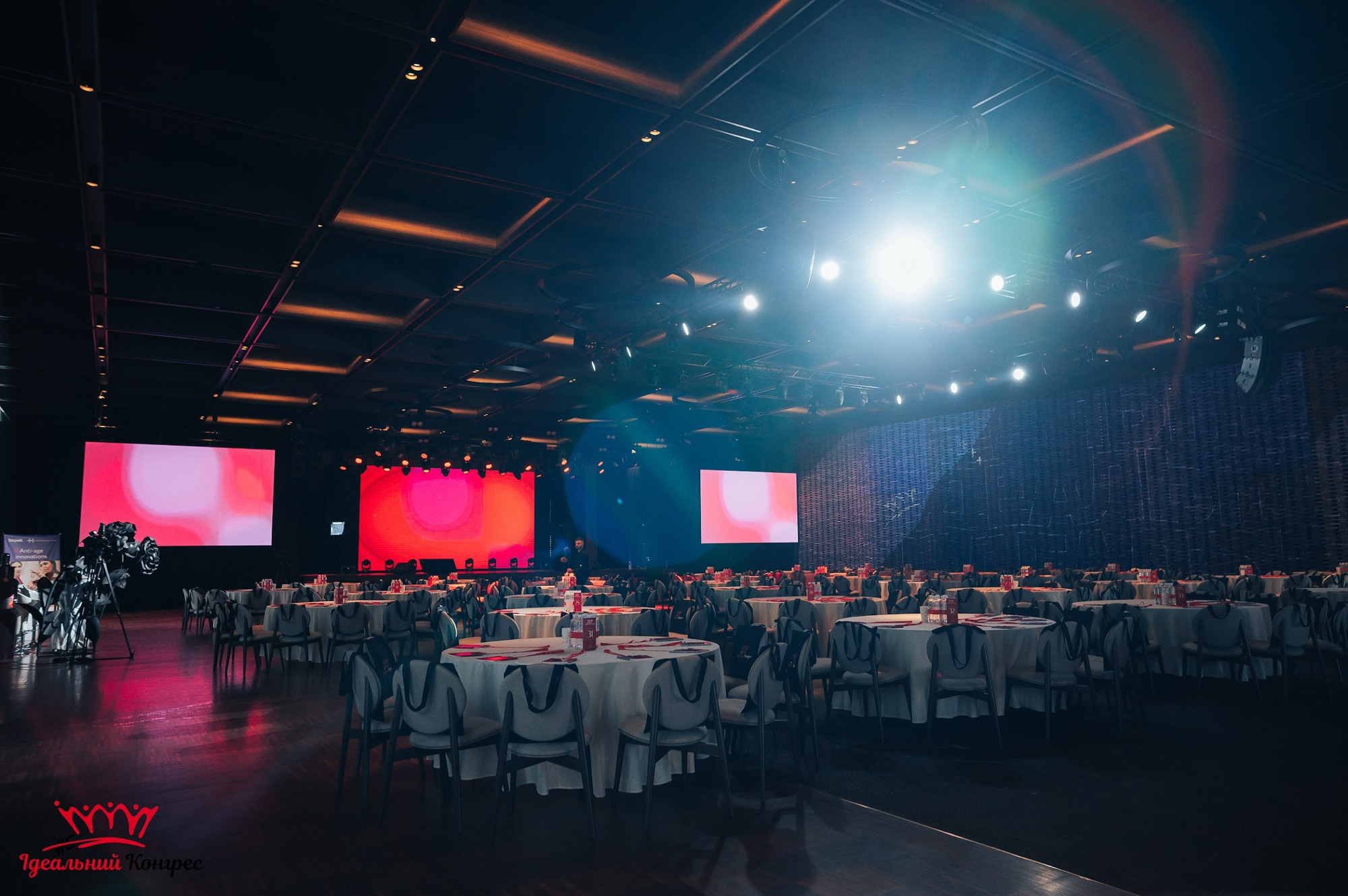
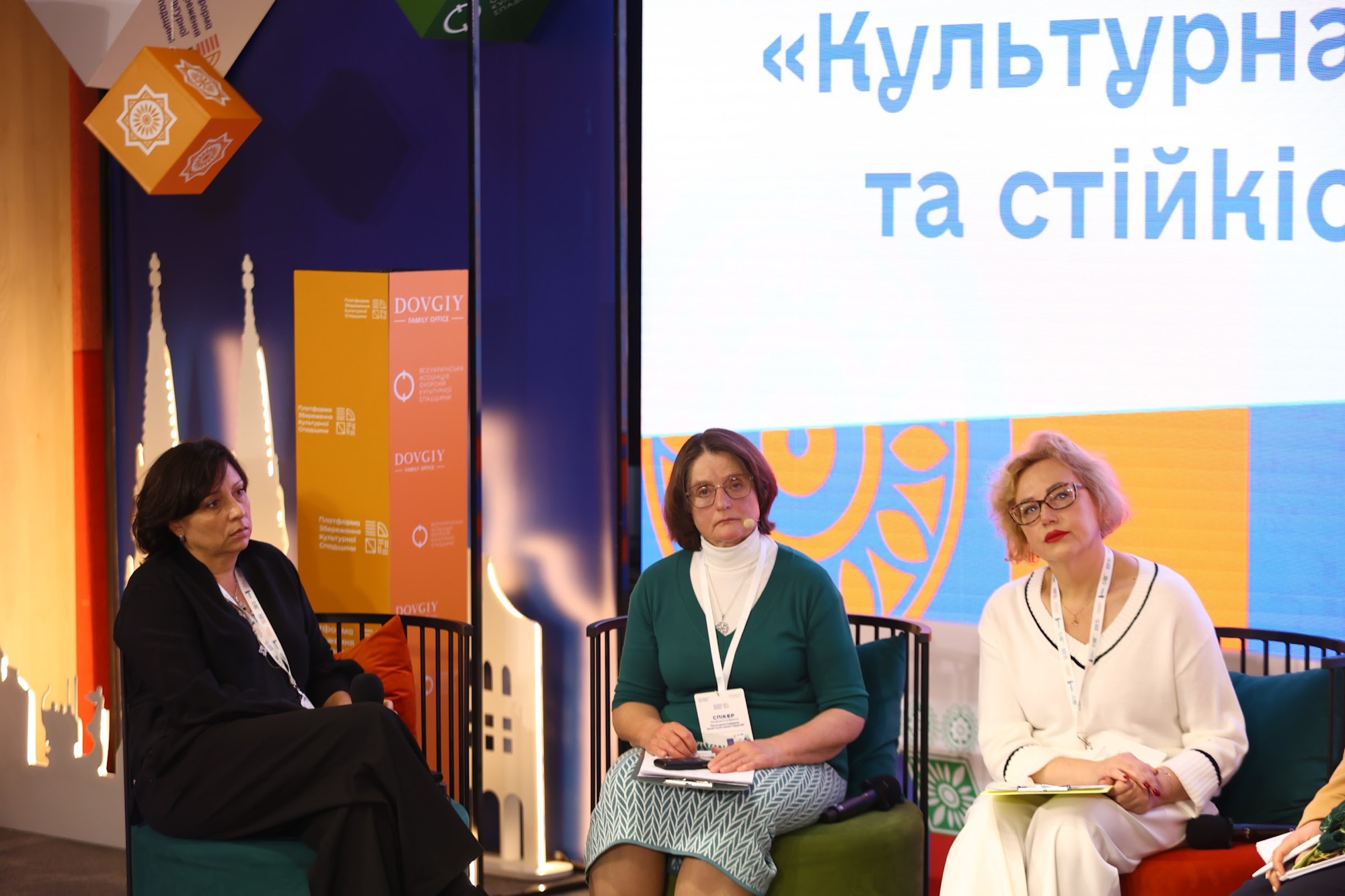
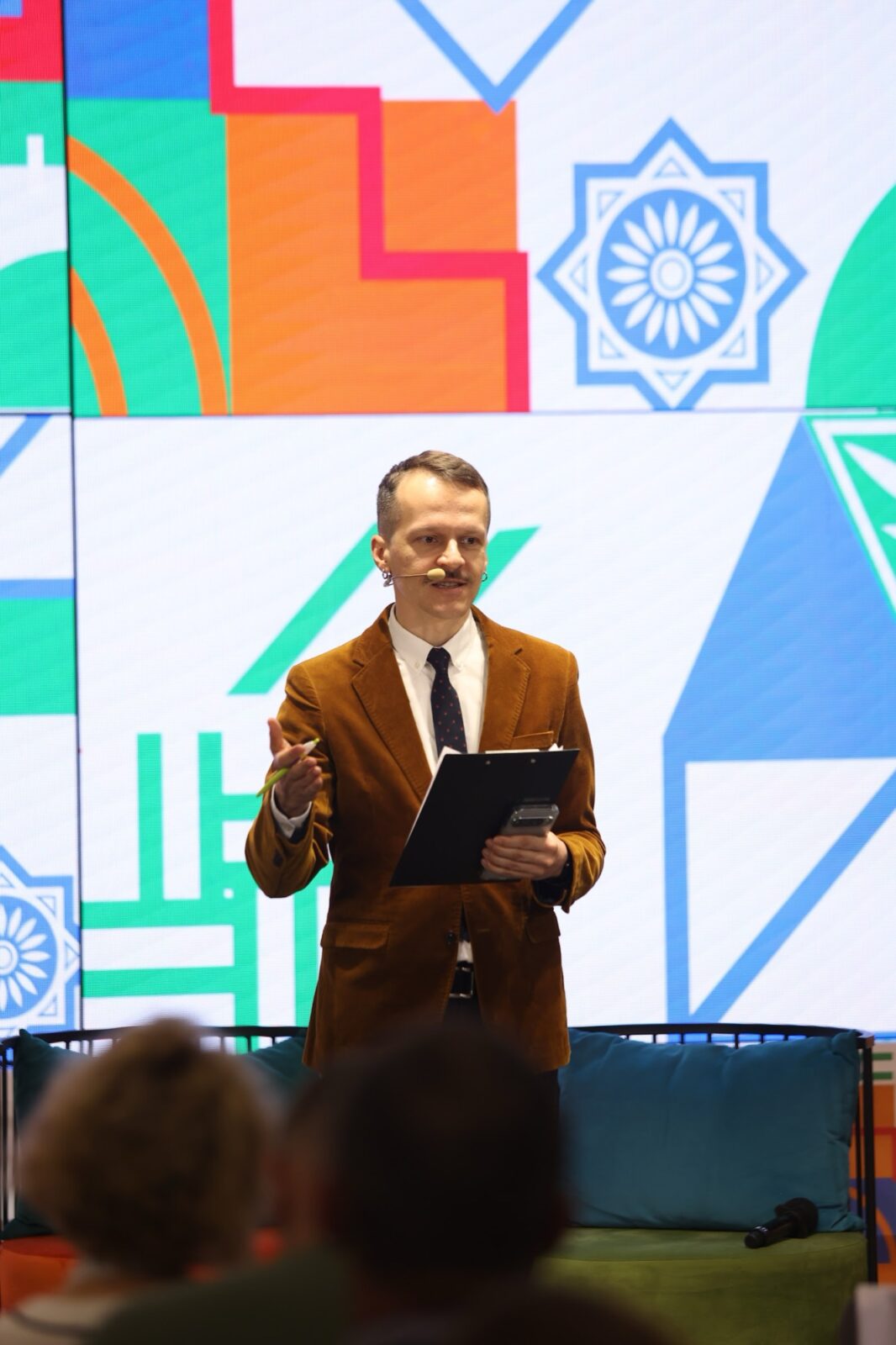
Forums and conferences we have run: stage, panels, registration
Registration and the participant experience
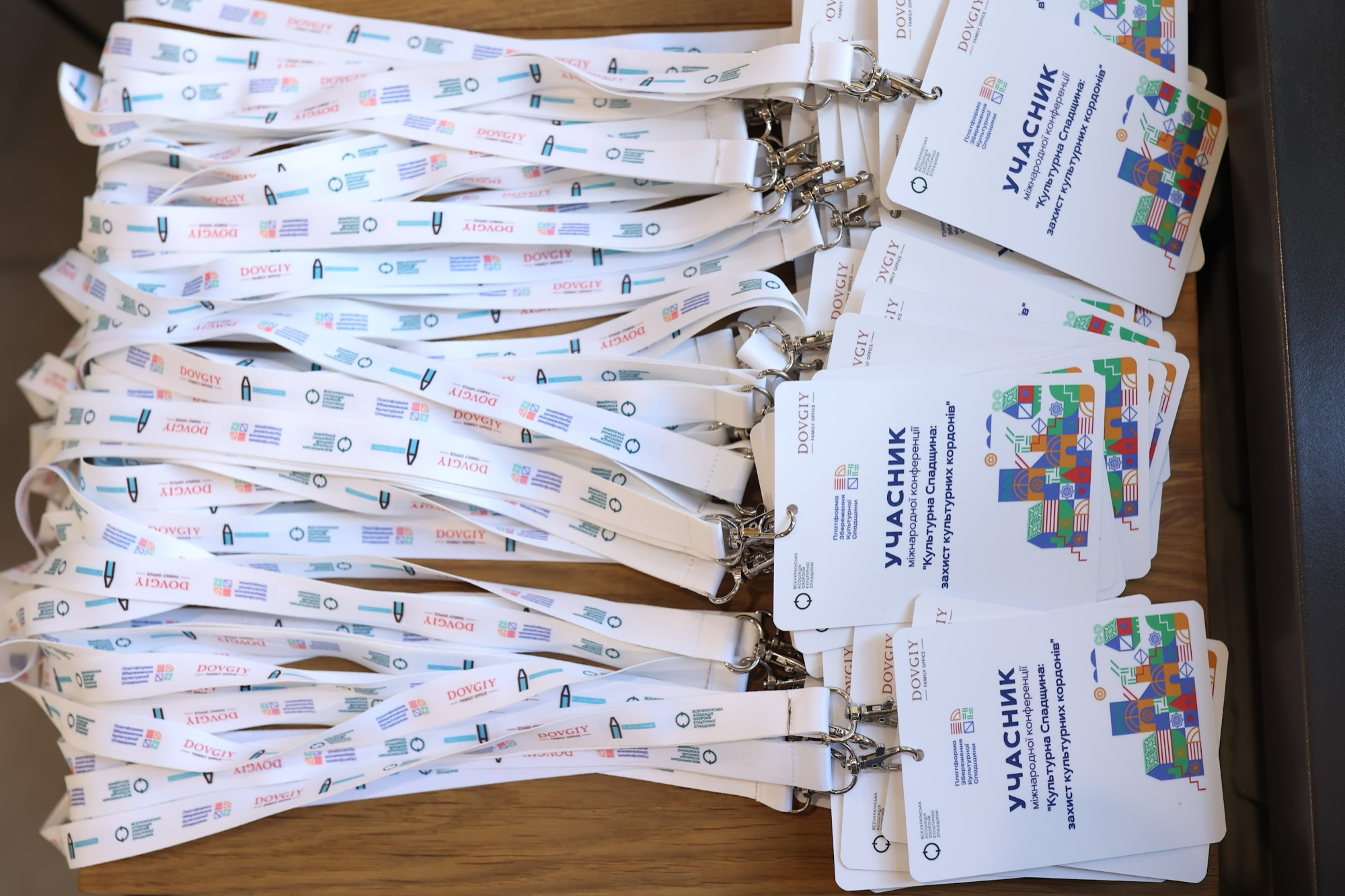
The first impression of a conference is the queue at the entrance. Online registration with QR codes, several desks and ready badges make entry quick. Then come wayfinding, a clear programme on screens and in an app, Wi-Fi, a cloakroom and a place to charge a phone. Guests don’t notice these details when they are there, and notice them very much when they aren’t.
Tech and streaming
The hybrid format has become standard: a stream lets participants from other cities and countries join, and the recording extends the conference’s life. A quality stream needs several cameras, a production desk, separate sound for online viewers and a backup connection. More about online formats on our online and hybrid events page.
Coffee breaks, lunch and networking
A coffee break isn’t a pause but part of the programme: this is where participants meet and make deals. We plan 20–30 minutes, several serving points to avoid queues and zones for conversation. For a full day — lunch or a buffet, and the conference can end with an informal evening or a gala dinner. About the difference between catering formats — in our article banquet or buffet.
Safety
We choose venues with a shelter of sufficient capacity and backup power, write a pause scenario for an alert and explain it to participants and speakers at the start. The stream then continues from the shelter or pauses with a notice for online viewers.
What the budget is made of
Venue and halls.
Tech: stage, screens, sound, lighting, streaming.
Catering: coffee breaks, lunch, buffet.
Speakers and moderator: fees, travel, accommodation.
Design, printing, badges, wayfinding, branding.
Registration, on-site team, photo and video.
Conference checklist
The goal and audience are stated in one sentence.
A venue with tech, a shelter and backup power.
A programme with buffer time between blocks.
Presentations collected and checked on screen.
Registration and badges ready before the day.
A stream with a backup connection.
Coffee breaks without queues.
The on-site team knows the script and the alert plan.
After the event — materials, recording and a participant survey.
How we organise conferences
Batina Event organises turnkey conferences: venue, programme, work with speakers, tech, streaming, registration and catering. Our whole team works on every event — from event managers to the technical manager — so you can focus on content rather than on whether the microphone works.
AuthorBatina Event teamEvent agency: corporate events, weddings and celebrations across Ukraine and Europe
10 November 2026 · 5 min read
Questions & answers
Event planning FAQ
How far ahead should conference preparation start?
+
Three or four months ahead. For large forums even earlier, because speakers and venues are booked in advance.
How long should a conference talk be?
+
Ideally 20–30 minutes. Longer talks are better split or turned into a discussion.
Do you need a live stream?
+
For most events, yes: it widens the audience, and the recording extends the conference’s life.
What if there is an alert during the conference?
+
Participants move to the shelter under rules explained in advance, and after the all-clear the programme continues using the buffer time.
How many coffee breaks are needed?
+
For a full day, two coffee breaks of 20–30 minutes and lunch.
Do you organise online conferences?
+
Yes: fully online or hybrid, with a studio, a moderator and technical support.
Planning a conference?
Tell us about the topic, audience and format — we will suggest a venue, programme and technical solution so the event runs flawlessly.